
How can seasonal activities support assisted living residents?
Seasonal activities give assisted living residents familiar routines, opportunities for social connection, and ways to stay engaged with the changing world outside. The most successful programs are not necessarily elaborate. They are comfortable, adaptable, and connected to residents’ interests, memories, abilities, and cultural traditions.
In Trappe, PA, activities can reflect four distinct seasons, including snowy or icy winter weather, cool spring mornings, warm and humid summer days, and colorful autumn conditions. Indoor and outdoor options should be planned together so residents can participate safely even when weather changes quickly.
Activities may support several areas of well-being:
- Conversation and companionship
- Gentle movement and coordination
- Reminiscence and storytelling
- Creativity and self-expression
- Mental stimulation
- A sense of purpose and daily structure
A resident who does not want to join a large group may still enjoy folding napkins for a gathering, watering indoor plants, choosing music, sorting craft supplies, or talking with another person about a seasonal tradition.
What are useful winter activities for assisted living residents?
Winter activities should emphasize warmth, light, movement, and social contact. Residents may spend more time indoors during cold, icy, or snowy conditions, so a varied schedule can help prevent the season from feeling isolating.
Practical winter ideas include:
- Indoor walking groups in hallways or common areas
- Hot beverage socials with caffeine-free options
- Winter-themed puzzles, trivia, and word games
- Decorating paper snowflakes or seasonal centerpieces
- Reading short stories, poetry, or personal winter memories aloud
- Chair exercises with music
- Baking demonstrations using simple, familiar recipes
- Watching birds from a window and recording sightings
- Creating greeting cards for relatives or friends
Winter programs should account for reduced daylight and changing transportation conditions. Activities held earlier in the day may be more comfortable for residents who dislike traveling or moving outdoors after dark. Warm layers, clear walkways, adequate lighting, and accessible seating are also important.
A common misconception is that winter activities must involve holiday celebrations. Some residents may not celebrate particular holidays, while others may prefer nature, music, cooking, history, or family-centered activities. Offering choices makes the program more welcoming.
How can spring activities encourage participation?
Spring activities can help residents reconnect with outdoor spaces after winter. The transition should be gradual because mornings may remain chilly, rain can make walking surfaces slippery, and pollen may affect some residents.
Suitable spring activities include container gardening, seed-starting demonstrations, indoor flower arranging, nature-themed art, and short outdoor observation sessions. Residents can help select plants, label containers, remove dry leaves, or track growth from week to week.
Spring also provides opportunities for gentle movement:
- Short walks on level, well-maintained paths
- Seated stretching near an open window
- Balloon or scarf activities indoors
- Birdsong listening and identification
- Simple gardening tasks at table height
- Outdoor conversation groups with shaded seating
Gardening should be adapted for residents with arthritis, limited grip strength, vision changes, or fatigue. Lightweight tools, raised containers, larger seeds, and seated work areas can make participation easier. No resident should be expected to remain outside if the temperature, wind, or air quality is uncomfortable.
Spring is also a useful time for memory-based activities. Residents may discuss gardens from childhood, foods traditionally planted by their families, or the first signs of spring they remember noticing. These conversations can be as meaningful as the physical activity itself.
What summer activities are comfortable and safe?
Summer activities should be scheduled around heat, humidity, sunlight, and hydration needs. In this region, a pleasant morning can become hot by midday, so outdoor programs are often more comfortable during the earlier part of the day or near sunset, provided lighting and supervision are appropriate.
Good summer options include:
- Shaded patio visits
- Indoor ice cream or fruit socials
- Flower arranging with seasonal blooms
- Watercolor painting using summer subjects
- Music programs featuring familiar songs
- Indoor gardening and herb-scent activities
- Porch or window birdwatching
- Simple indoor games that recall fairs, picnics, or family reunions
Heat-related illness can develop quickly in older adults, particularly among people with certain health conditions or those taking medications that affect fluid balance or temperature regulation. Outdoor activities should include access to water, shade, seating, and a nearby cool indoor area.
Residents may enjoy summer themes without going outside. A room can be arranged for a “day at the shore” discussion, a picnic-style lunch indoors, or a travel-memory program using maps, photographs, music, and familiar foods. These programs can include people who tire easily, use mobility equipment, or prefer climate-controlled spaces.
Sun protection also matters. Hats, light clothing, shaded seating, and avoiding the strongest afternoon sun can make outdoor participation more comfortable. Staff and family members should follow individual care instructions regarding hydration and outdoor activity.
Which fall activities work well for older adults?
Autumn often offers comfortable temperatures and strong opportunities for sensory, creative, and reminiscence-based programs. Leaves, seasonal foods, music, and family traditions can all become starting points for conversation.
Fall activities may include:

- Leaf collage projects using paper or collected leaves
- Pumpkin painting rather than carving
- Apple-themed cooking or tasting activities
- Fall photography from a safe outdoor viewpoint
- Seasonal poetry and storytelling
- Gentle walks to observe changing foliage
- Memory boxes featuring autumn objects and scents
- Discussions about school days, harvest traditions, or family gatherings
Outdoor walks should be adjusted for wet leaves, uneven surfaces, shorter daylight, and cool temperatures. Residents who use walkers or wheelchairs may need particularly clear routes and stable surfaces. Outdoor decorations should not create trip hazards or narrow accessible pathways.
Fall can also bring mixed emotions. Some residents may associate the season with loss, past responsibilities, or difficult anniversaries. Activities should leave room for residents to participate quietly, change the subject, or choose a different option without pressure.
How should activities be adapted for different abilities?
The same activity can often be offered at several levels of participation. A group gardening program, for example, might include planting, touching and smelling herbs, discussing gardening memories, observing others, or helping choose labels.
Useful adaptations include:
- Offering seated and standing versions of movement activities
- Using large-print instructions and high-contrast materials
- Providing easy-grip tools and lightweight objects
- Breaking projects into short steps
- Allowing extra time and rest periods
- Reducing background noise during conversations
- Pairing residents for companionship without requiring competition
- Using familiar music and clear, simple directions
Residents living with memory loss may respond especially well to rhythm, sensory experiences, familiar objects, and repeated routines. An activity does not need to produce a finished project to be successful. Enjoyment, comfort, and connection are valid outcomes.
What makes a seasonal activity meaningful?
Meaningful activities reflect the person, not only the calendar. A resident who disliked gardening may prefer baseball memories, music, card games, or woodworking stories. Another resident may enjoy observing a garden without touching the plants.
Before planning a seasonal program, consider:
- What did the resident enjoy earlier in life?
- Which traditions are personally meaningful?
- Does the person prefer groups or one-to-one interaction?
- What time of day brings the most energy?
- Are there sensory concerns involving noise, light, scents, or temperature?
- Can the activity be completed without frustration?
- What role can the resident take if full participation is difficult?
Family members can contribute photographs, recipes, songs, stories, or information about long-standing traditions. Residents themselves should have opportunities to suggest activities and help decide how they are carried out.
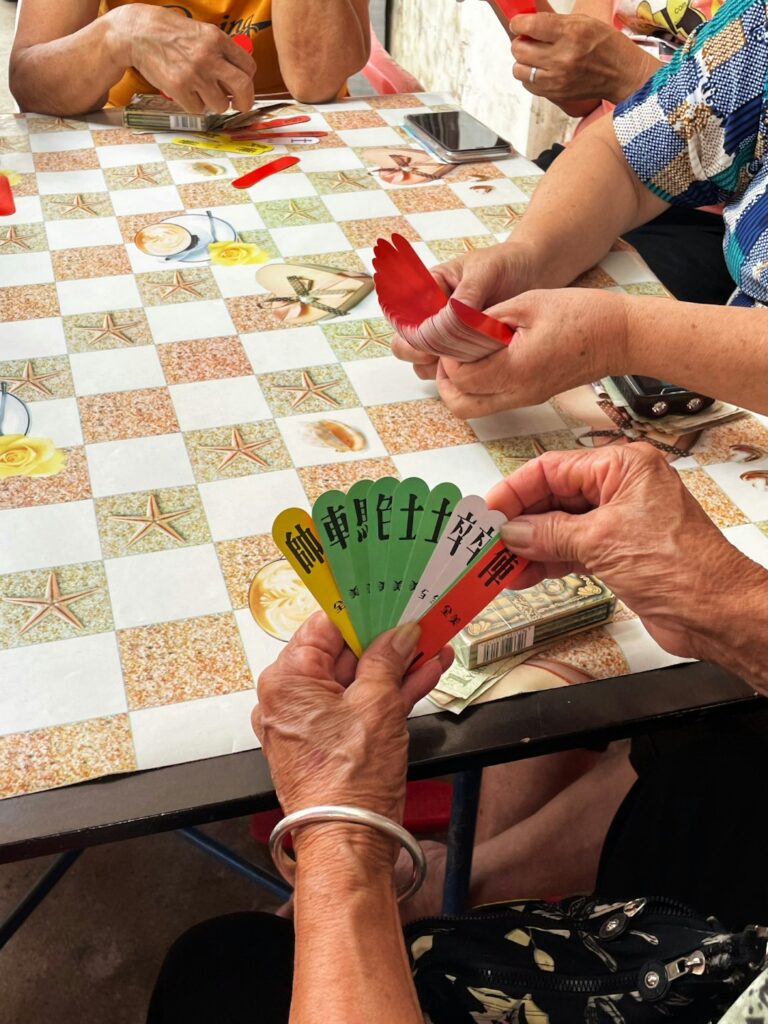
Seasonal programming works best when it combines structure with flexibility. A regular schedule provides familiarity, while small adjustments allow for weather, energy levels, health needs, and personal preference. Across the year, simple moments—watching spring birds, arranging autumn leaves, listening to winter music, or sharing a cool drink on a summer morning—can help residents feel connected to both the community and the passage of time.
